


Julia Lynch Co-authors new Book on Student Voice
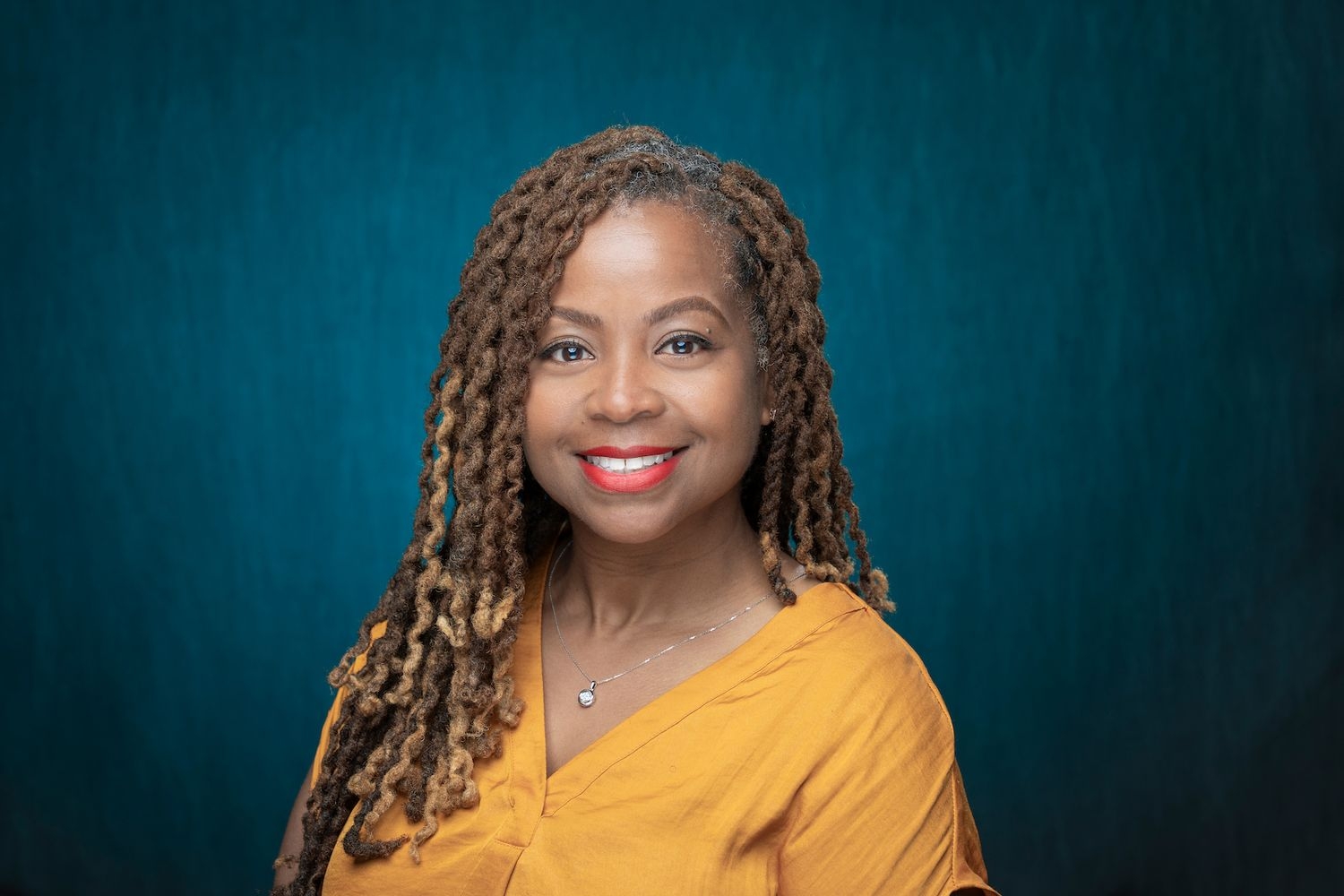
Photo: OFFICE OF UNIVERSITY RELATIONS/UNCW
Julia Lynch, assistant professor in Language and Literacy at UNCW’s Watson College of Education, is co-author of a new book, Making Student Voices Matter, published in March by Teachers College Press.
The teacher-authored collection brings together educators and scholars exploring what it means to center student voice in literacy learning. Through theory and classroom examples, the book offers practical strategies for creating responsive, affirming learning environments that foster student agency, joy and engagement.
Chapters examine how culturally sustaining practices can support diverse learners, connect home, community and school literacies, and encourage educators to think critically about how student voice is reflected in instruction and assessment.
“I am very proud of this teacher-authored collection,” Lynch said. “Designed for teachers, coaches and teacher educators, the book provides strategies and tangible examples of ways to center students’ languages, cultures and communities in the classroom to enhance literacy learning.”
Lynch said the work aligns closely with her research on enhancing literacy in rural communities through culturally sustaining and community-rooted practices. She also explores teacher identity and how instructional practices can intentionally incorporate students’ home and community literacies, or “little l” literacies, to create a more responsive, layered and meaningful literacy learning environment.
Lynch joined the UNCW faculty in 2022. She began her career as a K-5 teacher in under-resourced rural schools serving Black, Latiné, Indigenous and multilingual students. A Black Poet-Scholar, she previously taught in the Department of Educational Leadership and now teaches in WCE’s Language and Literacy program.
Lynch’s co-authors are Rachelle S. Savitz of East Carolina University; Judy Paulick of the University of Virginia; Olivia Ann Williams, a literacy researcher and high school English teacher in Virginia; Brooke Ward Taira of the University of Hawaiʻi at Mānoa; Shuling Yang of the University of Maryland; and Sara A. Field, a high school teacher and adjunct professor at George Mason University.
About WCE’s Language and Literacy Programs
Literacy coursework is a core part of WCE’s undergraduate Elementary Education program. At the graduate level, WCE offers a master’s degree and add-on licensure for K-12 teachers seeking to become literacy leaders in schools and districts. The M.Ed. aligns with National Board Certification and can lead to a 12% pay increase in North Carolina.
Programs are delivered in a cohort model with synchronous evening online classes designed for working professionals. New cohorts begin each fall. For more information visit the program websites: