

UNCW Honors Student Continues Zooplankton Education
Courtesy: Joseph Covi/UNCW
Zooplankton plays an essential role in aquatic ecosystems, as primary and secondary consumers in food webs; reducing algae blooms, providing a food source for migrating birds and the development of aquaculture species.
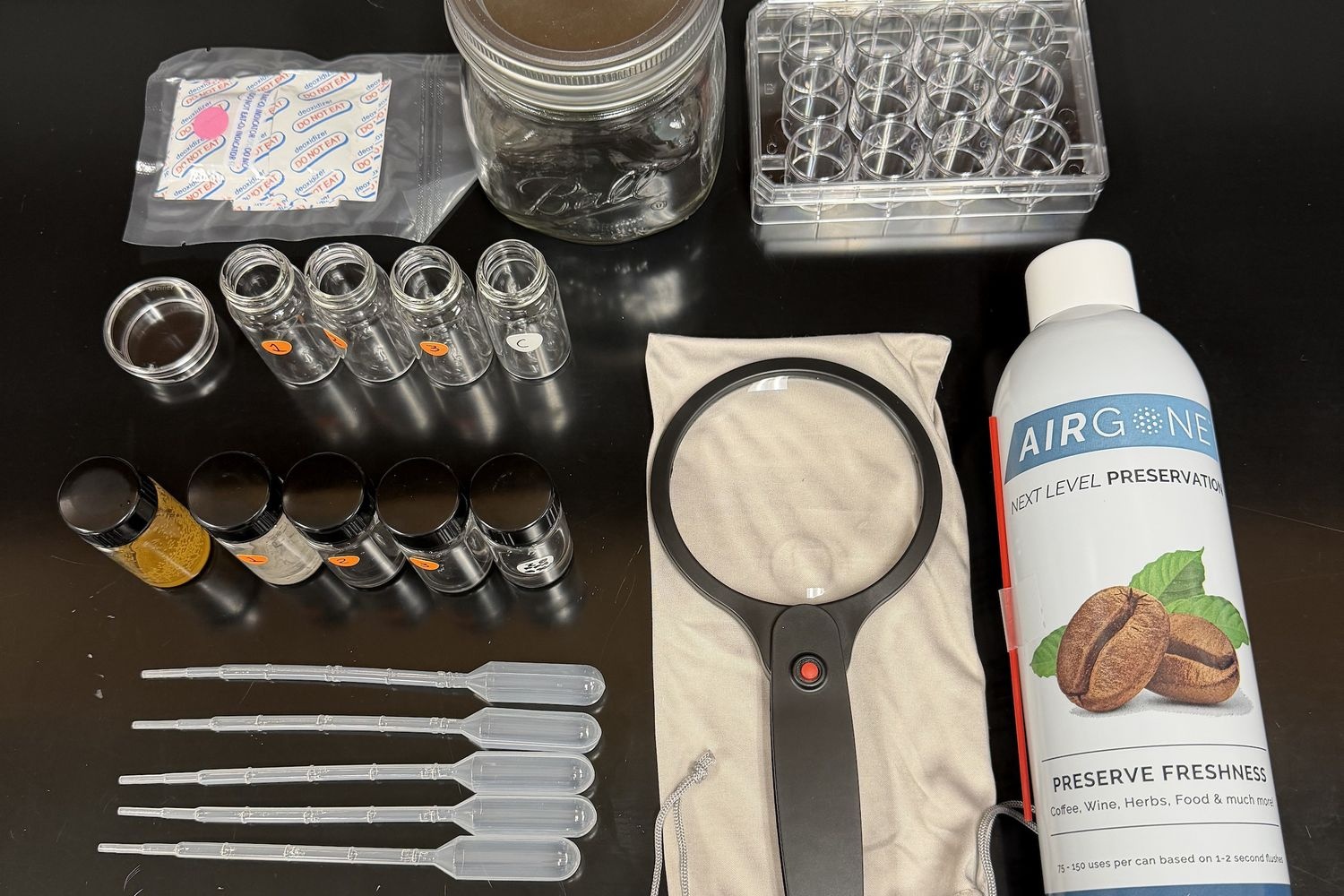
UNCW’s Honors alum, Shayla Wynne focuses on communicating zooplankton ecology in K-12 classrooms with kits created from common household items. The kits help students learn how our actions affect the environment.
As a member of Joseph Covi’s Zoop Lab, Wynne was able to continue the work of previous Honors student Rochelle David who created the first student version of a zooplankton toxicology kit for use in the K-12 classroom because of her passion for education.
The organisms are small, Wynne says, “They play a vital role in energy transfer throughout nature.” She enjoys demonstrating this to students, “Watching their eyes light up and to see them making the connections to the zooplankton importance is exciting.”
Covi patented the original invention that Wynne and David modified for K-12, that provides methods and kits for determining sediment and pore water toxicity using zooplankton. “My goal as a mentor is to provide a foundation for individuals to clearly see and then achieve their career ambitions,” said Covi.
Teaching others to be good science stewards is at the heart of Wynne’s project and doing that with educationally and environmentally friendly resources is important. Covi shares, “The goal of all our inventions is to revolutionize toxicity testing and education by decreasing cost while increasing the ecological relevance, reproducibility and positive impact on society.”
This article has the following tags: Center for Marine Science