


Rethinking Music Education in Rural America
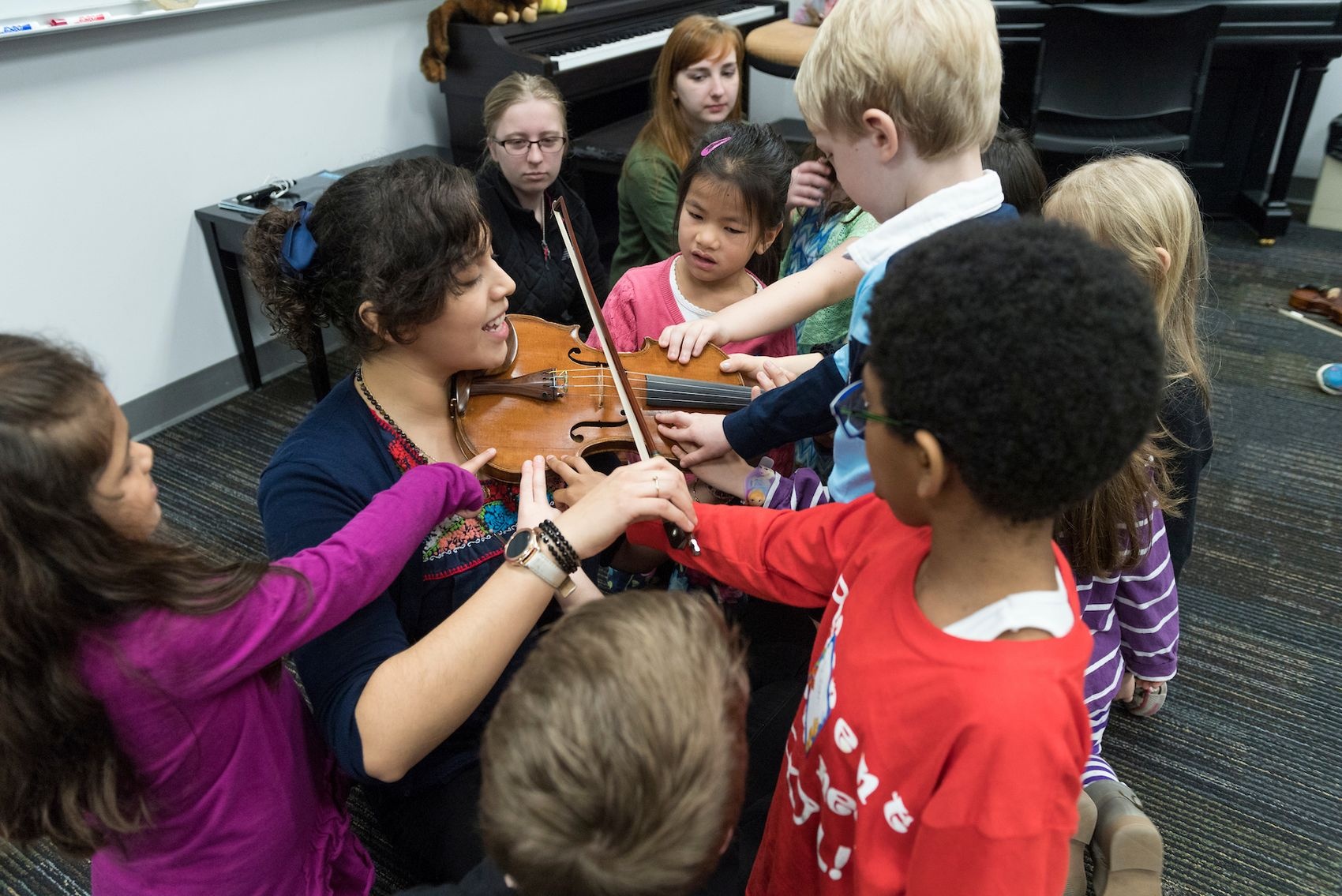
Photo: JEFF JANOWSKI/UNCW
Daniel Johnson, professor of music and coordinator of UNCW’s Graduate Certificate in Music Education, is the editor of a new two-volume publication, Music Education in Rural America. Developed in collaboration with 20 rural teachers and teacher-educators nationwide, the books highlight both the challenges and possibilities of music education in rural communities.
Published this spring by Routledge, the series includes Volume I: Policies and Perspectives, which explores asset-based approaches to music education and the impact of urbanization, and Volume II: A Teacher Guidebook, which offers practical strategies and resources for K-12 music teachers in rural settings.
Johnson recently discussed the project on “The Rural Voice,” a podcast from the National Rural Education Association, reflecting on the experiences that shaped his work.
“I spent decades teaching in rural Vermont, New Hampshire and Massachusetts,” he said. “I came from the New England Conservatory of Music in Boston, which was quite urban and musically sophisticated, to a rural place that was more community focused. It was there that I realized how important it is to make human connections through music. I also saw how music maps onto the culture and society in small towns, reflecting local traditions and values. It was a special time in my life because I discovered the power and opportunities in music through making interpersonal connections. That was new to me, and I began to see music education in a brand new light.”
More than one-fifth of U.S. students live in rural communities, a population Johnson said has often been overlooked. He hopes the books help bring greater attention to both the strengths and needs of these settings.
A central theme in his work is the concept of “urbanormativity,” which he describes as the assumption that urban models should define policy, practice and success in all contexts.
“The idea of one-size-fits-all standards discourages pedagogical imagination and musical creativity,” he said. “It perpetuates the idea that bigger is always better. People think they need a big band, expensive instruments and complicated infrastructure to have a quality music program. One of the key themes in the books is approaching rural education from an asset perspective rather than a deficit view. Instead of looking at what you don’t have, consider the possibilities and opportunities.”
Music teachers, who are licensed to teach K-12, often play a unique and influential role in rural schools. In many cases, they are the only trained musicians in their communities, giving them the flexibility to shape programs around their strengths and build lasting relationships with students over many years.
Johnson advocates for placing student teachers in rural schools to gain firsthand experience and see rural education as a rewarding career path. He is also a strong proponent of interdisciplinary education, particularly highlighting meaningful connections between the arts and other subjects.
“Integrating music and the arts with other subjects inspires students,” he said. “It goes beyond getting the right answer and good grades — it really does engage students in powerful, multi-modal ways. This is often more of an opportunity in small and rural settings with closer school communities and greater instructional freedom as compared to urban and suburban settings.”
Listen to the full NREA podcast here: Rethinking Success: Music Education, Community, and the Power of Rural Schools. An Interview with Dr. Daniel Johnson.
About UNCW’s Graduate Certificate in Music Education UNCW offers North Carolina’s only graduate certificate in music education with an emphasis on Orff Schulwerk, a creative approach to music, and one of the few such programs nationwide leading to a nationally accredited Certificate of Completion. The 18-credit-hour program includes intensive summer coursework, classroom-based learning labs and a capstone study abroad experience at the Orff Institute in Salzburg, Austria.
Students also earn a digital badge with each summer professional development course and have access to UNCW’s National Board Certification Support Program, which helps teachers earn the profession’s highest credential and qualify for a 12% salary increase.
For more information, visit the program website or contact Daniel Johnson at johnsond@uncw.edu
This article has the following tags: Watson College of Education