

NCDHHS and UNC System Tackle Social Worker Shortage
The North Carolina Department of Health and Human Services, UNC System and the North Carolina Social Work Coalition held a kickoff event on March 2 to celebrate a new partnership aimed at strengthening the social work workforce in North Carolina. The event recognizing the Public Service Leadership Program (PSLP) coincides with a new report by the Sheps Center for Health Services Research and NCDHHS that identifies a shortage of social workers in North Carolina, particularly in rural areas.
The PSLP will work with high schools, community colleges and universities to raise awareness among students of careers in social work and equip them with the skills and knowledge to address the complex needs of children, individuals and families. NCDHHS Secretary Dev Sangvai participated in a signing ceremony today with officials from the University of North Carolina system, the University of North Carolina-Chapel Hill and the North Carolina Social Work Coalition on Workforce Development, to formalize the partnership.
“The need for social workers is expected to grow over the next few years," said NC Health and Human Services Secretary Dev Sangvai. “Meeting this demand is one of our top priorities, and this exciting and innovative partnership will examine these challenges and help us create a system of care that makes services available when and where they are needed.”
The Coalition consists of 25 universities and colleges, including 14 of the 16 members of the UNC system, that offer social work programs accredited by the Council on Social Work Education (CSWE). The School of Social Work at the University of North Carolina at Chapel Hill will serve as the lead entity for the coalition.
“Social workers stand on the front lines of our society, supporting children and families and serving our most vulnerable neighbors with compassion and expertise,” said UNC-Chapel Hill Chancellor Lee H. Roberts. “Carolina is deeply honored to help shepherd this historic effort through our School of Social Work, in partnership with programs across North Carolina. This work is not about any one institution — it reflects a unified, statewide commitment to public service and the power of collaboration to meet our communities’ most pressing needs.”
According to the report, North Carolina had 9,830 licensed clinical social workers (LCSW) in 2024, an average of 8.95 LCSW per 10,000 residents. However, the workers were not distributed evenly throughout the state, with metro areas having twice as many LCSW per 10,000 residents as non-metro areas. Three counties had no LCSWs working as their reported practice address, while 41 counties had fewer than four LCSWs per 10,000 population. In addition, less than 50% of those social workers are credentialed to work in the public mental health and substance use system.
"Social workers are the backbone of a strong community health system," said Kelly Crosbie, MSW, LCSW, Director, NCDHHS Division of Mental Health, Developmental Disabilities and Substance Use Disorders. "They do more than manage caseloads. Social workers operate across multiple levels of intervention, from providing mental health therapy and care management services directly to clients to policy development and community organizing. They advocate for our most marginalized populations, and their work often leads to significant social change."
The five-year project kicked off in the fall with a one-year planning period, followed by a one-year pilot and a three-year testing period. The UNC School of Social Work’s Office of Community Engagement and Outreach will manage the implementation of the PSLP. Students interested in applying for the program will be able to in the spring. NCDHHS will provide more information when the application window opens.
“The Public Service Leadership Program is more than an investment — it is a commitment to North Carolina’s future,” said Ramona Denby-Brinson, PhD, ACSW, LMSW, and dean, UNC-Chapel Hill School of Social Work. “Together with 25 colleges and universities and our partners, including the Department of Health and Human Services and the Blue Cross Blue Shield of North Carolina Foundation, we are cultivating the next generation of social workers, strengthening resilience across the workforce and ensuring that every community in our 100 counties has access to the care and support it deserves.”
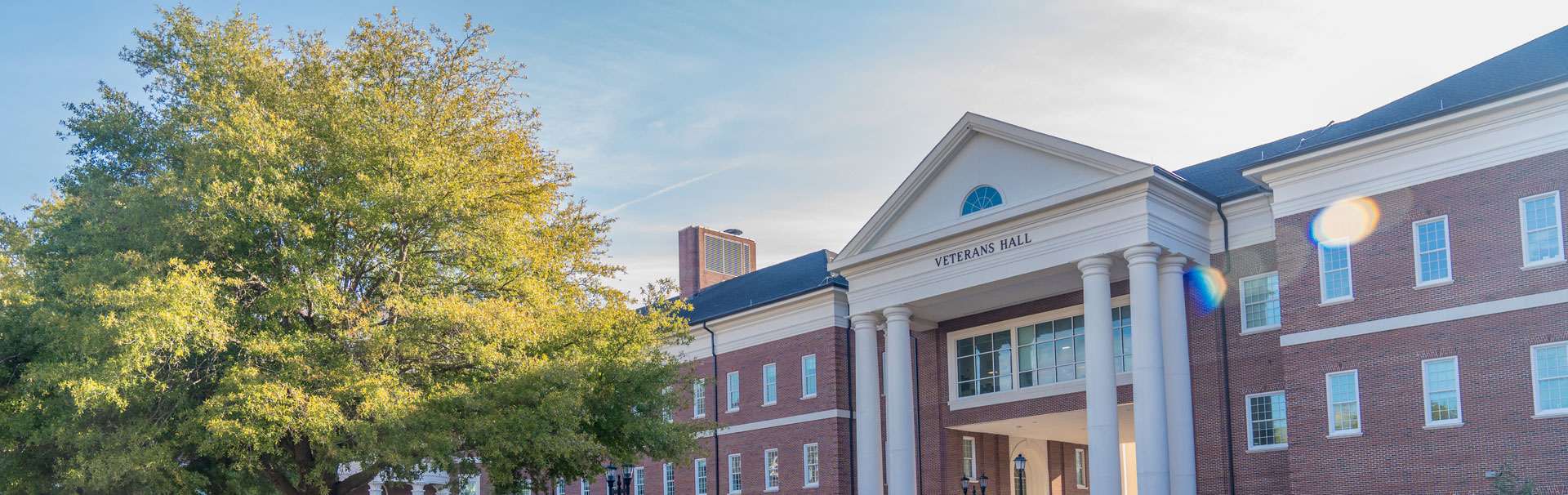
UNC Wilmington’s School of Social Work is a member of the Social Work Coalition. Guided by an overarching framework of social and economic justice, the School of Social Work offers bachelor’s and master’s degree programs in social work to promote the well-being of individuals, families, groups and communities.
“The School of Social Work is proud to have been part of the coalition that laid the foundation for the Public Service Leadership Program, a collaborative effort to invest in and prepare the next generation of social workers,” said Stacey Kolomer, director of the School of Social Work within the College of Health and Human Services at UNCW.
NCDHHS is committed to strengthening the mental health and substance use care workforce in North Carolina as it works to increase access to care across the state.
About the Social Work Coalition
The Social Work Coalition on NC Workforce Development creates increased and equitable access to quality, affordable, and evidence-based mental and behavioral health services to promote well-being for children and families in North Carolina. This work is dedicated to expanding and diversifying the child welfare and mental and behavioral health workforce through identifying and addressing workforce gaps, developing new social work education programs, and building partnerships with stakeholders and advocacy organizations to support workforce expansion initiatives.
The PSLP will work with high schools, community colleges and universities to raise awareness among students of careers in social work and equip them with the skills and knowledge to address the complex needs of children, individuals and families. NCDHHS Secretary Dev Sangvai participated in a signing ceremony today with officials from the University of North Carolina system, the University of North Carolina-Chapel Hill and the North Carolina Social Work Coalition on Workforce Development, to formalize the partnership.
“The need for social workers is expected to grow over the next few years," said NC Health and Human Services Secretary Dev Sangvai. “Meeting this demand is one of our top priorities, and this exciting and innovative partnership will examine these challenges and help us create a system of care that makes services available when and where they are needed.”
The Coalition consists of 25 universities and colleges, including 14 of the 16 members of the UNC system, that offer social work programs accredited by the Council on Social Work Education (CSWE). The School of Social Work at the University of North Carolina at Chapel Hill will serve as the lead entity for the coalition.
“Social workers stand on the front lines of our society, supporting children and families and serving our most vulnerable neighbors with compassion and expertise,” said UNC-Chapel Hill Chancellor Lee H. Roberts. “Carolina is deeply honored to help shepherd this historic effort through our School of Social Work, in partnership with programs across North Carolina. This work is not about any one institution — it reflects a unified, statewide commitment to public service and the power of collaboration to meet our communities’ most pressing needs.”
According to the report, North Carolina had 9,830 licensed clinical social workers (LCSW) in 2024, an average of 8.95 LCSW per 10,000 residents. However, the workers were not distributed evenly throughout the state, with metro areas having twice as many LCSW per 10,000 residents as non-metro areas. Three counties had no LCSWs working as their reported practice address, while 41 counties had fewer than four LCSWs per 10,000 population. In addition, less than 50% of those social workers are credentialed to work in the public mental health and substance use system.
"Social workers are the backbone of a strong community health system," said Kelly Crosbie, MSW, LCSW, Director, NCDHHS Division of Mental Health, Developmental Disabilities and Substance Use Disorders. "They do more than manage caseloads. Social workers operate across multiple levels of intervention, from providing mental health therapy and care management services directly to clients to policy development and community organizing. They advocate for our most marginalized populations, and their work often leads to significant social change."
The five-year project kicked off in the fall with a one-year planning period, followed by a one-year pilot and a three-year testing period. The UNC School of Social Work’s Office of Community Engagement and Outreach will manage the implementation of the PSLP. Students interested in applying for the program will be able to in the spring. NCDHHS will provide more information when the application window opens.
“The Public Service Leadership Program is more than an investment — it is a commitment to North Carolina’s future,” said Ramona Denby-Brinson, PhD, ACSW, LMSW, and dean, UNC-Chapel Hill School of Social Work. “Together with 25 colleges and universities and our partners, including the Department of Health and Human Services and the Blue Cross Blue Shield of North Carolina Foundation, we are cultivating the next generation of social workers, strengthening resilience across the workforce and ensuring that every community in our 100 counties has access to the care and support it deserves.”
UNC Wilmington’s School of Social Work is a member of the Social Work Coalition. Guided by an overarching framework of social and economic justice, the School of Social Work offers bachelor’s and master’s degree programs in social work to promote the well-being of individuals, families, groups and communities.
“The School of Social Work is proud to have been part of the coalition that laid the foundation for the Public Service Leadership Program, a collaborative effort to invest in and prepare the next generation of social workers,” said Stacey Kolomer, director of the School of Social Work within the College of Health and Human Services at UNCW.
NCDHHS is committed to strengthening the mental health and substance use care workforce in North Carolina as it works to increase access to care across the state.
About the Social Work Coalition
The Social Work Coalition on NC Workforce Development creates increased and equitable access to quality, affordable, and evidence-based mental and behavioral health services to promote well-being for children and families in North Carolina. This work is dedicated to expanding and diversifying the child welfare and mental and behavioral health workforce through identifying and addressing workforce gaps, developing new social work education programs, and building partnerships with stakeholders and advocacy organizations to support workforce expansion initiatives.
This article has the following tags: College of Health & Human Services School of Social Work