


Healing Trauma Through EMDR Therapy
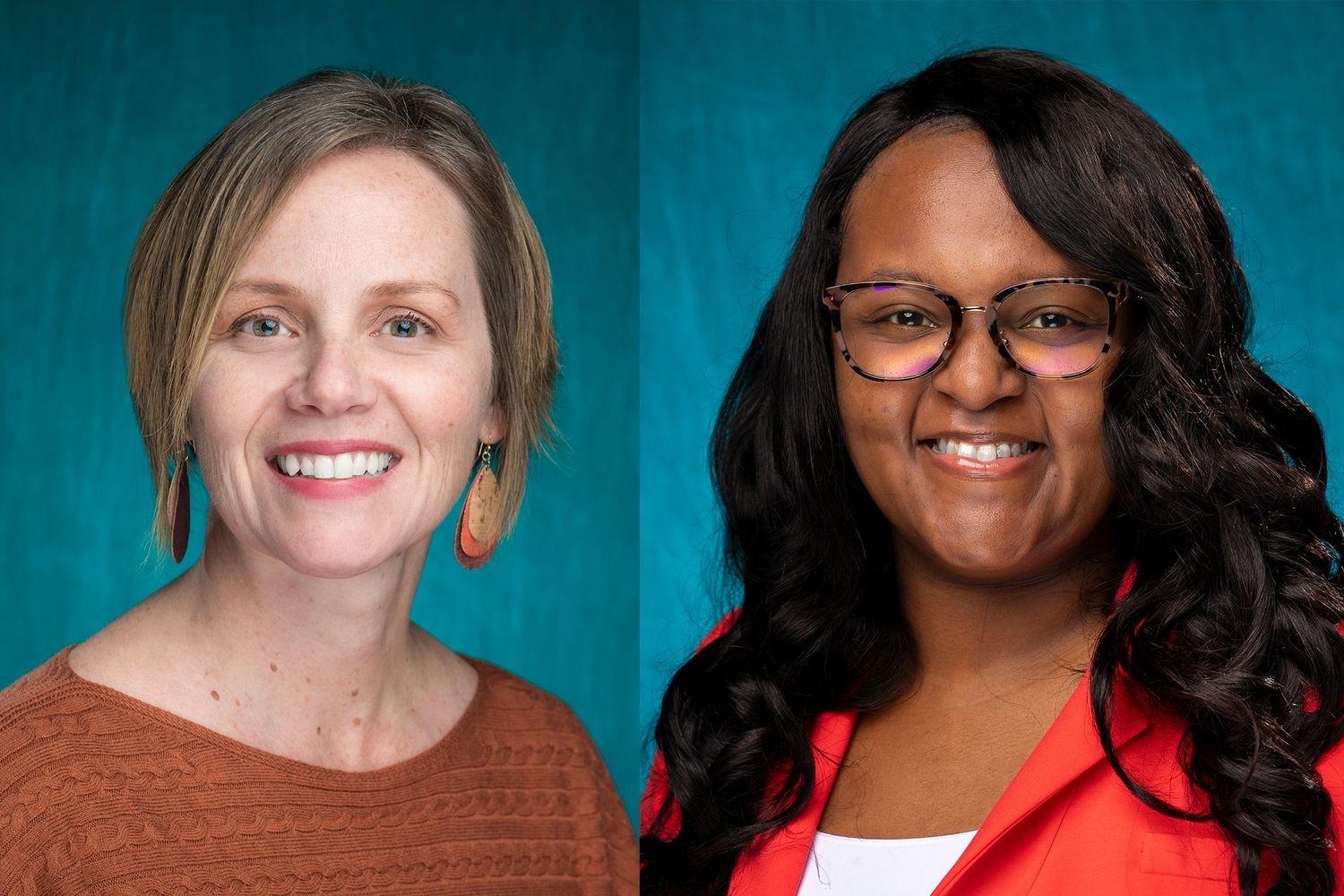
Photo: Michael Spencer & Jeff Janowski/UNCW
Anka Roberto, an associate professor in the School of Nursing, and Briana Carr, a lecturer in the School of Social Work, have spent their careers exploring trauma-informed care, approaches, and evidence-based practices in the aftermath of trauma – and the potential for individuals to experience posttraumatic growth and resilience, through treatments like Eye Movement Desensitization and Reprocessing (EMDR) therapy.
EMDR treats mental health conditions that occur due to memories from traumatic events in an individual’s past. It’s best known for its role in treating post-traumatic stress disorder (PTSD), but its use is expanding to include treatment of many other conditions. EMDR helps individuals reprocess trauma narratives and intense trauma stories that have been stuck within the brain’s function, particularly the amygdala.
Unlike other treatments that directly alter emotions, thoughts, and responses stemming from traumatic experiences, EMDR specifically targets the memory. Its objective is to modify the brain’s storage of that memory, thereby reducing and eliminating the associated problematic symptoms.
Roberto has over 12 years of experience as an EMDR provider. She has authored book chapters and evidence-based manuscripts on trauma and resilience and currently administers EMDR through her practice, Holistic Healing, LLC. Roberto’s first experience with EMDR was in the aftermath of the Sandy Hook Elementary School shooting in 2012. As a member of the Sandy Hook community, Roberto experienced trauma firsthand and sought help to confront and process it through EMDR therapy. “It was as if this black cloud that was living over my head just went away, just poof. Even when I would drive by the school, I found that it wasn't as anxiety provoking anymore,” she says.
“The brain does this fascinating thing where it starts to reprocess that core memory and goes through this adaptive resolution process where the brain can then say, ‘You know what? I don't feel this way about this thing anymore,’” she says. For Roberto, one of the most rewarding aspects of administering EMDR therapy is witnessing the sudden effect that it has on her patients. “It's why I do this work. Sometimes I have the hairs raised on my arms when I see people finally releasing the trauma say to me, ‘I feel okay, I can talk about the thing and not get anxious,’” she said.
Carr is a fully licensed psychotherapist providing services throughout southeastern North Carolina. She is also the founder and owner of Serenity Healing Solutions, PLLC, a private practice dedicated to trauma-informed care and holistic healing. Carr first encountered EMDR therapy in 2017 and the experience was an eye-opening one. She attended an EMDR training and while initially skeptical. It clicked for Carr once she began undergoing the therapy. “I was crying like a baby. I thought, ‘Oh my god, what’s happening?’ This works, for real,” she says.
That personal experience transformed her understanding of trauma healing and in 2020, she became a certified EMDR therapist and began using the therapy full-time in clinical practice, even working within a collective office devoted exclusively to EMDR therapy. “It’s such a good feeling to witness clients being able to navigate through hardship they never thought they could accomplish. You see the relief happen right before your eyes.”
Looking toward the future, Carr predicts that the span and scope of EMDR will grow and evolve. “There is so much research, especially in the area of intergenerational and transgenerational trauma that is going to be completed within the next five to ten years,” she says. “I think it’s only going to improve our work in so many different ways. Clinicians are striving to add it into their tool set to offer toward clients, so I think it will the therapy will only increase from here.”
EMDR treats mental health conditions that occur due to memories from traumatic events in an individual’s past. It’s best known for its role in treating post-traumatic stress disorder (PTSD), but its use is expanding to include treatment of many other conditions. EMDR helps individuals reprocess trauma narratives and intense trauma stories that have been stuck within the brain’s function, particularly the amygdala.
Unlike other treatments that directly alter emotions, thoughts, and responses stemming from traumatic experiences, EMDR specifically targets the memory. Its objective is to modify the brain’s storage of that memory, thereby reducing and eliminating the associated problematic symptoms.
Roberto has over 12 years of experience as an EMDR provider. She has authored book chapters and evidence-based manuscripts on trauma and resilience and currently administers EMDR through her practice, Holistic Healing, LLC. Roberto’s first experience with EMDR was in the aftermath of the Sandy Hook Elementary School shooting in 2012. As a member of the Sandy Hook community, Roberto experienced trauma firsthand and sought help to confront and process it through EMDR therapy. “It was as if this black cloud that was living over my head just went away, just poof. Even when I would drive by the school, I found that it wasn't as anxiety provoking anymore,” she says.
“The brain does this fascinating thing where it starts to reprocess that core memory and goes through this adaptive resolution process where the brain can then say, ‘You know what? I don't feel this way about this thing anymore,’” she says. For Roberto, one of the most rewarding aspects of administering EMDR therapy is witnessing the sudden effect that it has on her patients. “It's why I do this work. Sometimes I have the hairs raised on my arms when I see people finally releasing the trauma say to me, ‘I feel okay, I can talk about the thing and not get anxious,’” she said.
Carr is a fully licensed psychotherapist providing services throughout southeastern North Carolina. She is also the founder and owner of Serenity Healing Solutions, PLLC, a private practice dedicated to trauma-informed care and holistic healing. Carr first encountered EMDR therapy in 2017 and the experience was an eye-opening one. She attended an EMDR training and while initially skeptical. It clicked for Carr once she began undergoing the therapy. “I was crying like a baby. I thought, ‘Oh my god, what’s happening?’ This works, for real,” she says.
That personal experience transformed her understanding of trauma healing and in 2020, she became a certified EMDR therapist and began using the therapy full-time in clinical practice, even working within a collective office devoted exclusively to EMDR therapy. “It’s such a good feeling to witness clients being able to navigate through hardship they never thought they could accomplish. You see the relief happen right before your eyes.”
Looking toward the future, Carr predicts that the span and scope of EMDR will grow and evolve. “There is so much research, especially in the area of intergenerational and transgenerational trauma that is going to be completed within the next five to ten years,” she says. “I think it’s only going to improve our work in so many different ways. Clinicians are striving to add it into their tool set to offer toward clients, so I think it will the therapy will only increase from here.”