

Brittany N. Zepernick Named Daylight Award Laureate
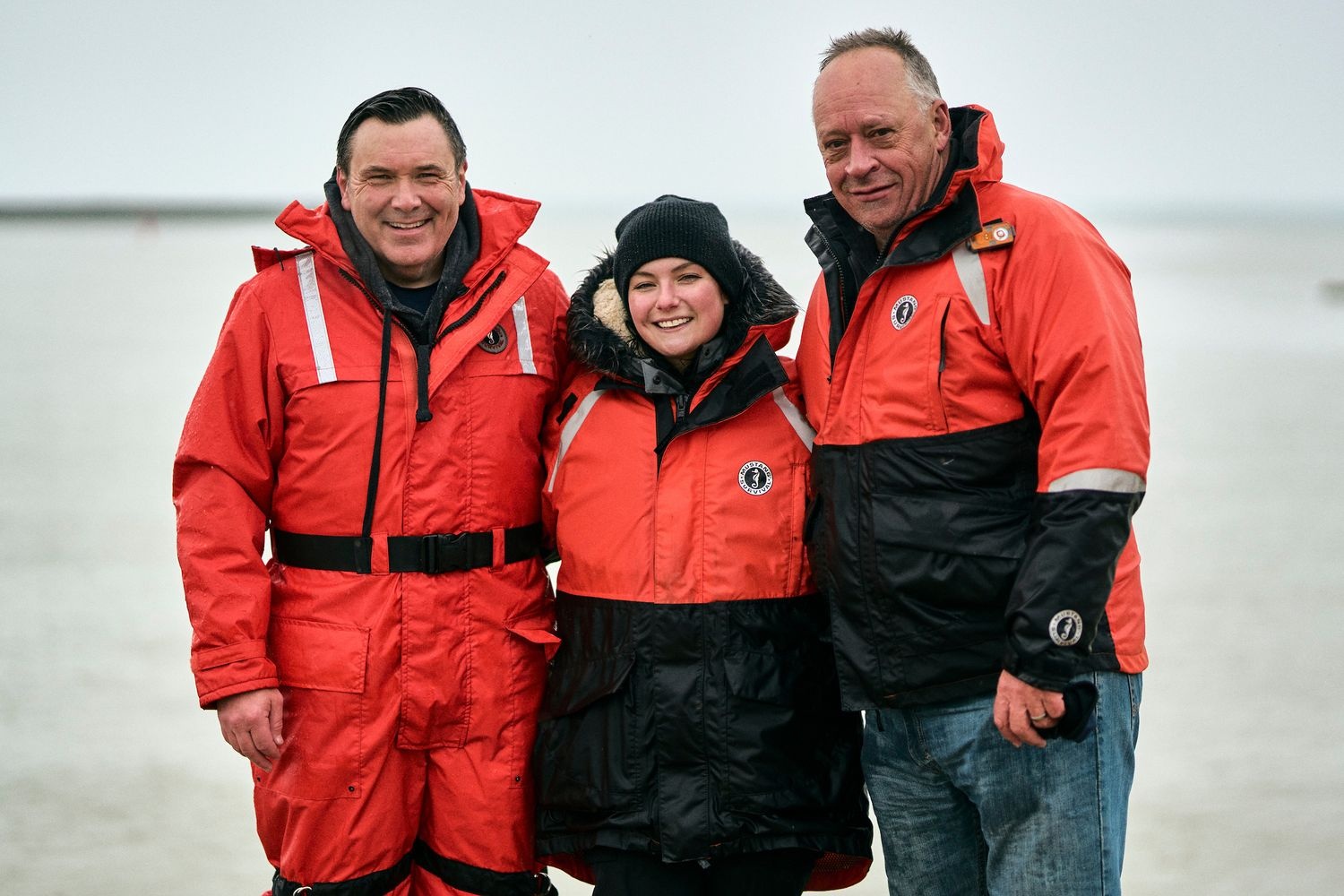
Courtesy: René Jepsen and Andreas Bro/The Daylight Award
Brittany N. Zepernick, assistant professor in the UNCW Department of Biology and Marine Biology, has been named a recipient of The Daylight Award in Research. Zepernick is part of an international team recognized for groundbreaking research that advances our understanding of how light shapes microbial, photosynthetic life in the climatically altered water column.
Presented by the Daylight Academy (DLA), The Daylight Award in Research honors individuals or small teams whose work represents outstanding, forward-looking contributions to the scientific study of daylight.
Zepernick and her collaborators (Steven W. Wilhelm; University of Tennessee and R. Michael McKay; University of Windsor) have provided novel insights into the resiliency of photosynthetic algae, organisms that form the foundation of global food webs and biogeochemical cycles, in a rapidly changing climate. Their research deduces how these microscopic organisms access light to produce oxygen, support aquatic food webs and regulate global carbon cycles, underscoring their importance to planetary health.
Focusing on freshwater systems such as the North American Great Lakes (USA/CA), the team’s work reveals significant shifts occurring beneath the water’s surface. As climate change reduces winter ice cover, shifting light conditions are altering how much sunlight penetrates aquatic environments – with the future “ice-free” winter water column projected to be a light-limited environment. Their findings show that microbial communities are actively adapting to these changes by using alternative means to access light and evade light-limitation, while also raising urgent questions about the long-term impacts of climate change on biodiversity, water quality and ecosystem resilience.
“Daylight is more than illumination—it is the currency of life across the globe. Microscopic algae, known as phytoplankton, regulate the flow of this energy by transforming sunlight into chemical energy that is then accessible to the aquatic food web,” Zepernick said. “In this study, we found that some phytoplankton are adapting strategies to access daylight within climatically altered winter water column of lakes, where ice cover - and therefore light availability - is rapidly declining. These adaptations are suggested to allow these foundational organisms not only to persist, but thrive under increasingly low-light conditions, offering a glimmer of resilience for future aquatic ecosystems.”
An aquatic microbial ecologist, Zepernick’s research is at the intersection of algal blooms, environmental variability and the global freshwater–marine continuum. A defining feature of her work is the examination of light as a driver of microbial ecophysiology within aquatic systems. She investigates how variations in light availability, shaped by ice cover, climate change and seasonal dynamics, influence microbial fitness and ecosystem function.
Zepernick earned her honors bachelor of science in biology with a specialization in aquatic science from Bowling Green State University. She completed her Ph.D. in microbiology at the University of Tennessee and held postdoctoral fellowships at both the University of Tennessee and the University of North Carolina at Chapel Hill.
Her recognition by the Daylight Academy highlights the growing importance of interdisciplinary research addressing environmental change and reinforces UNCW’s commitment to advancing innovative, globally impactful science.