

Honoring the Life and Legacy of Dr. James R. Leutze
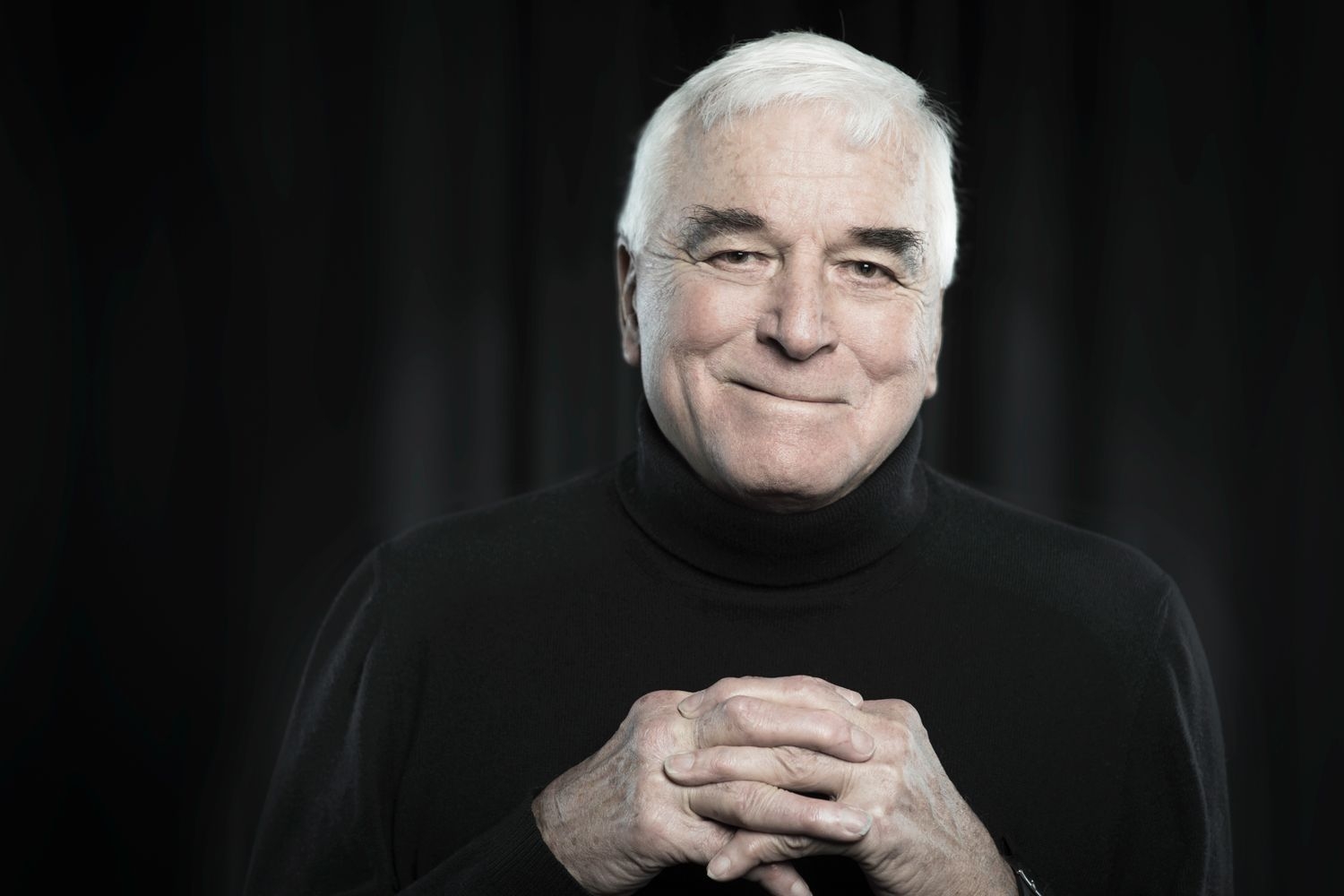
Photo: Jeff Janowski/UNCW
Memorial information: A memorial gathering will be held on Friday, Aug. 21, 2026, from 2 to 4 p.m. to honor and celebrate the life, leadership and lasting contributions of former Chancellor Emeritus Jim Leutze.
The event will begin with a memorial service at 2 p.m. in Lumina Theater, followed by an ice cream social in the Clock Tower Lounge at 2:45 p.m. The gathering will bring together faculty, staff, former colleagues, community members, family and friends to reflect on Leutze's impact on UNCW and the region.
Members of the UNCW community and invited guests are encouraged to attend as the university recognizes Leutze's enduring legacy of service, leadership and commitment to higher education.
Former UNCW Chancellor Emeritus James R. Leutze, a visionary leader, distinguished educator and respected historian, passed away this weekend, the university shared today.
Dr. Leutze served as chancellor from 1990 to 2003, leading a transformative period of growth, innovation and academic excellence for the university. Under his leadership, UNCW strengthened its reputation for outstanding undergraduate education and emerged as one of the top public regional universities in the South. During his tenure, enrollment increased from nearly 7,000 to approximately 10,600 students. The university experienced significant improvements in retention and graduation rates.
The campus grew to encompass more than 90 academic, residential and administrative buildings, including Lakeside Hall (now Leutze Hall); three new residence halls, including Cornerstone; the Pat Leonard Student Recreation Center; and athletic facilities such as Nixon Annex and Almquist/Nixon. His administration also oversaw the development of Dobo Hall; the Center for Marine Science, the university's coastal and marine research facility; and major enhancements to Brooks Field and Trask Coliseum.
“Former Chancellor Emeritus James R. Leutze helped shape the UNCW we know today,” Chancellor Aswani K. Volety said. “Through dynamic leadership, strategic guidance and an unwavering belief in our potential, Dr. Leutze launched UNCW’s extraordinary growth while preserving the student-centered Seahawk spirit that continues to define our campus. His legacy will inspire generations of Seahawks to keep soaring far into the future.”
In 2000, the passage of the statewide bond issue, championed by Dr. Leutze, provided funding for the construction of Sayed Education Building, the Cultural Arts Building, and Congdon Hall, as well as renovations and upgrades to numerous other campus facilities.
Beautification projects transformed the campus into an arboretum featuring heritage gardens, historic core areas, a nature preserve and a conservation area. Another of Dr. Leutze's signature projects was the development of a campus commons area and the creation of Leutze Pond, both of which enhanced the campus's natural beauty and sense of community. These projects helped create a more pedestrian-friendly campus.
The university completed its first capital campaign in 1998, raising $25 million to support scholarships, professorships and academic programs. The university’s endowment grew from $4.8 million to nearly $21 million, and its operating budget more than doubled.
Dr. Leutze advocated innovation in global learning and technology, helping position UNCW as a leader in emerging digital education initiatives. He played a key role in international collaborations, including a virtual university pilot project with Japan and service on statewide commissions focused on expanding internet access and digital communities in North Carolina. He was also instrumental in the creation of partnerships that increased educational opportunities for military service members, veterans and their families. His strong relationships with community colleges fostered easier transfer to the university, pioneering what became the statewide articulation agreement.
Dr. Leutze was a member of the North Carolina Progress Board and served on the board of directors of the Kenan Institute-Asia, the Daniel D. & Elizabeth H. Cameron Foundation and the Donald R. Watson Foundation. He was a trustee of the George Marshall Foundation.
Before arriving at UNCW, Dr. Leutze served as president of Hampden-Sydney College and was a distinguished history professor at the University of North Carolina at Chapel Hill, where he earned recognition for excellence in teaching and research. A native of Charleston, South Carolina, he earned degrees from the University of Maryland, the University of Miami and Duke University. He also served in the U.S. Air Force, attaining the rank of captain, and worked as a legislative assistant to Senator Hubert Humphrey.
An accomplished scholar and author, Dr. Leutze published numerous books and articles on international affairs and national security. He hosted Globe Watch, an international affairs television series on UNCTV, for which he interviewed world leaders at the time, such as former United Kingdom Prime Minister Margaret Thatcher and former president of the Soviet Union Mikhail Gorbachev. As a dedicated environmental and conservation advocate, Leutze produced and narrated several documentaries that explored North Carolina's environmental challenges. His works include River Run: Down the Cape Fear to the Sea (1994), Treasure Coast: The National Heritage of the North Carolina Shore (1997), Currents of Hope: Reclaiming the Neuse River (1999), Paving the American Dream: Southern Cities, Shores, and Sprawl (2001), and Troubled Waters: The Illusion of Abundance (2003). Through these films, he raised public awareness of issues ranging from coastal conservation to urban sprawl and water sustainability. The university produced teachers' guides for use in schools for Globe Watch and the documentaries.
Dr. Leutze’s leadership helped lay the foundation for UNCW’s continued growth in the 21st century, expanding its academic offerings, strengthening research programs, elevating intercollegiate athletics and advancing the university’s national reputation. His legacy remains evident in UNCW’s commitment to academic excellence, innovation and community engagement.
For those who worked alongside him, learned from him or simply connected with him, Dr. Leutze will be remembered not only as a transformative chancellor, but as a teacher, mentor and steward of a university he deeply loved.
As the UNCW community mourns his loss, it also celebrates a life of extraordinary service to others. The university he helped transform continues to soar, guided by the values he championed and inspired by the future he imagined. His legacy is not confined to the buildings he helped create or the milestones achieved during his tenure; it lives in the aspirations of every Seahawk who dares to dream bigger because he always believed they could.


