
Research Areas and Sub-Specialties
Harmful Algal Blooms
The phenomena
called harmful algal blooms (HABs) are of major concern globally.
Their occurrence, spread and frequency of duration has been increasing
over the past decades. These microscopic species are capable of
creating population explosions along with the production of bioactive
compounds that can be highly toxic to humans, marine mammals, birds,
fish and other components of the marine ecosystem. Studies of these
species are essential in defining their impacts, predicting their
potential occurrence and offering strategies as to minimize their
damage. This problem touches various disciplines dealing with basic
principals of ecology, plant physiology, toxin chemistry, pharmacology
of toxins (effects of toxins on organisms), regulation of marine
resources and direct human health effects. The toxins themselves,
besides being highly potent
poisons are presently being studied
as to their potential beneficial effects as part of the development
of drugs from the sea. This biotechnology aspect offers hopes for
new and exciting discoveries that can benefit mankind.
UNCW's Center
for Marine Science has a specialized research group to study
harmful algal bloom (HAB) or red tide species. Three faculty members,
Dr. Daniel Baden (Depts. of Chemistry and Biochemistry and Biology and Marine Biology), Dr.
Carmelo Tomas (Dept. of Biology and Marine Biology) and Dr. Jeffrey Wright
(Dept. of Chemistry and Biochemistry) form the nucleus of a team called HABLAB.
Dr. Tomas is responsible for the identification; ecology and physiology
of species implicated in fish kill event, the isolation and cultivation
of these species into clonal cultures and for studies dealing with
their physiology and ecology. Dr. Baden studies the chemical structures
of mainly polyether toxins
(Florida Red Tide Toxins) and their pharmacological
effects on animals and humans. His studies involve novel methods
for the detection of these toxins and he is presently the leader
of a multidisciplinary group studying the effects of Florida red
tide toxins in humans. Dr. Wright, a structural chemist, works with
natural products (toxins) from a number of organisms including algae
and focuses on the structure and synthesis of these from algae,
fungi and bacteria. Combined, these investigators teach courses
in Biology and Chemistry, conduct funded research and supervise
undergraduate and graduate students. Since the HAB problem cuts
across various disciplines, the group has developed the capacity
to go from the organism in the field, to clonal cultures and into
separating, identifying and identifying molecules of the different
toxins. Since the HAB problem appears to be increasing in frequency
and expanding in extent, the need for talented trained personnel
will be a priority for the foreseeable future. For more information,
contact the Department of Biology and Marine Biology or any of the HABLAB
faculty at the Center for Marine Science.
Faculty researching this area include:
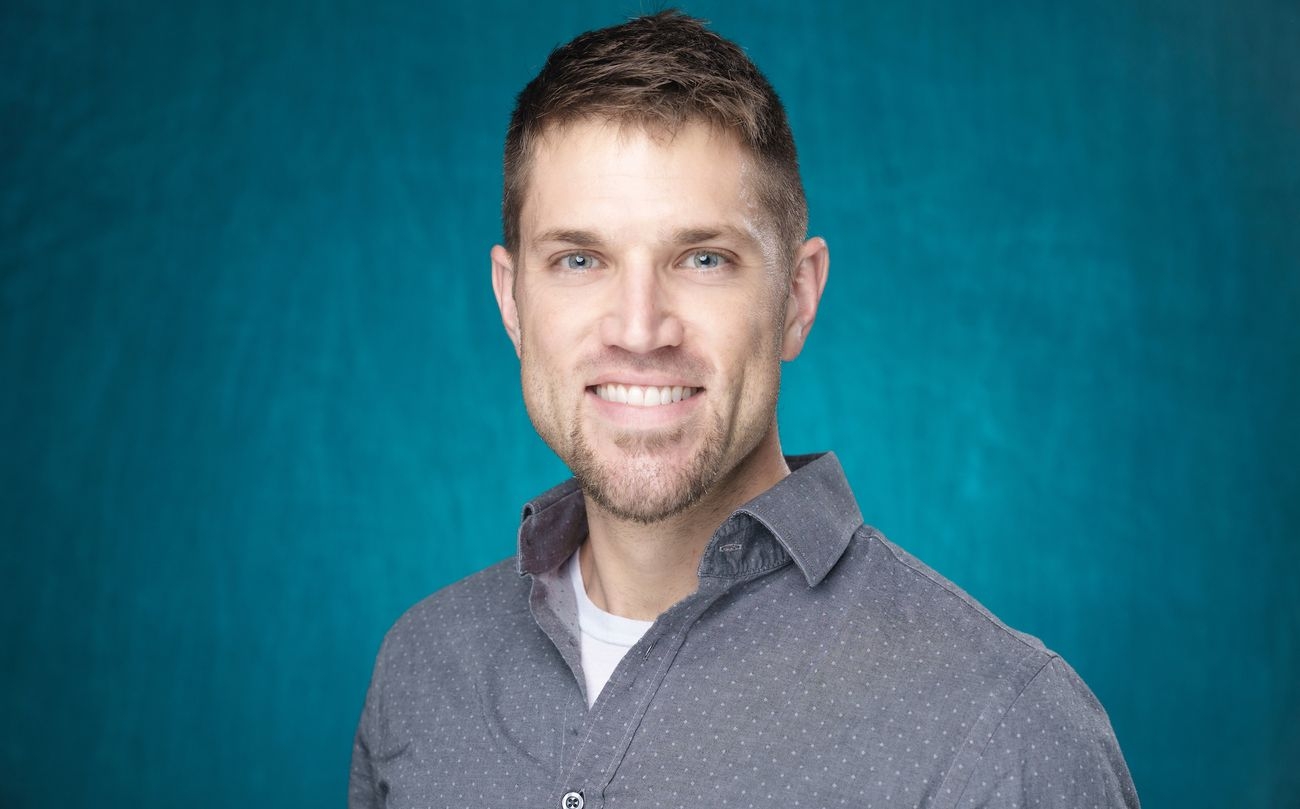
![]() Daniel Baden |
![]() Carmelo Tomas |


Donate Today